Is Chat GPT still killing the penguins?
|3 min read

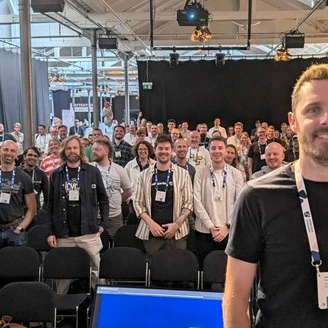
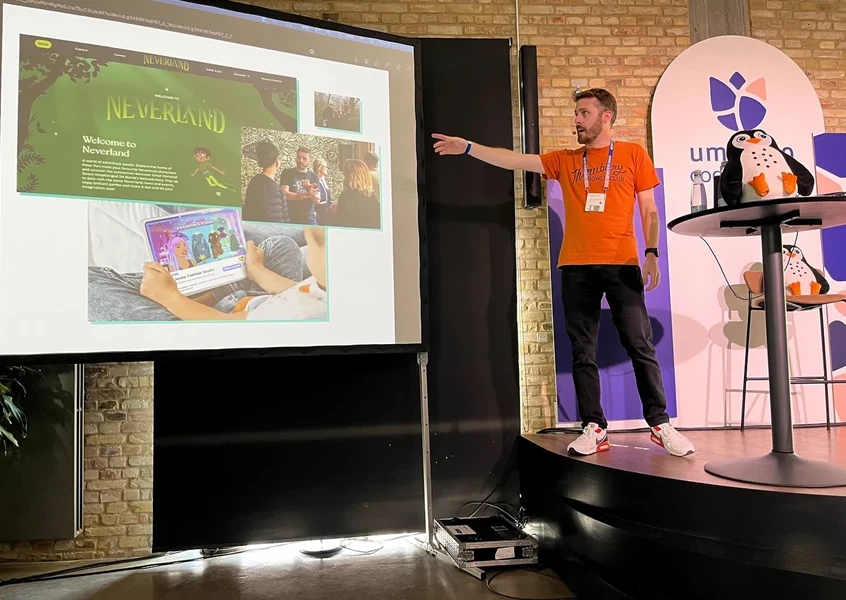
I spent a fair chunk of last year talking about penguins as part of my ‘Is ChatGPT killing the penguins?’ mini-roadshow that took me from Bath Digital Festival, to SXSW London, and even to the sunny shores of Denmark.
I think I promised on LinkedIn a while ago that I’d stop banging on about penguins - this is one last hurrah. Then I’ll stop. Promise.
The answer to the question at the time was - no, ChatGPT probably isn’t killing the penguins, but it’s rather hard to tell because the data is unavailable, or a mess, and everyone’s just trying to make their best guess.
We’re in 2026 now, so it seemed like a good moment to briefly look back at that question and the discussions it prompted, and see if anything’s changed
How’s the carbon impact of generative AI looking, then?
This remains tricky, because there’s still a lack of empirical data from most of the big providers of these services, and you can find evidence to support an argument for any point on the ‘AI bad / good for the planet’ spectrum.
This leads people to confidently state either that the massive rise in usage of generative AI is absolutely nothing to worry about, or that it’s singularly responsible for hastening the arrival of a new barely-habitable climate for most of the planet. The truth is likely between those two points. Exactly where will currently depend on your opinion and which set of estimates you choose to believe.
I personally find the ‘your individual carbon impact from AI is negligible, so don’t worry about it’ argument a bit facile - you could say the same about recycling, for example. Sure, me making sure I wash my yoghurt pots and stick them in the blue bin doesn’t make much of a difference. But we do it, because it’s a good example of the importance of encouraging people to think about the planet and the future. Humans are not good at this.
So while my assessment is that generative AI is not the main problem here, and we shouldn’t rule out its use for poorly-evidenced carbon emissions reasons, you should still think before you use it. Not least because you might end up looking like a plonker.
It’s also important to think beyond carbon emissions - we also shouldn’t ignore the implications of water usage, particularly in areas of existing water scarcity, or in areas where companies have a habit of dumping their waste into local rivers. A quarter of the planet doesn’t have secure access to clean, sanitary water!
Here’s some interesting links to help you make your own mind up:
The impact of Generative AI goes beyond carbon emissions
The bit that really concerns me about this technology is the impact on peoples’ thinking. I touched on this in my talk, and I’m more concerned now than I was then.
Not enough people appear to understand the fundamental principles of this technology and what that means in terms of whether they should trust its output.
The BMJ published an interesting study outlining why you might not want to blindly trust medical advice from AI chatbots. The BBC did something similar looking at news integrity and AI. A recent famous example in tech from Ars Technica underlines the perils of not checking AI output for accuracy. And so on, and so on.
So that’s problem number one - people are trusting these things, and finding themselves on a spectrum that looks something like:
No consequences - - - - - - - - - Looking a bit stupid - - - - - - - - - - Dangerous consequences
Problem number two, which is more concerning, is that delegating your thinking and reasoning to AI - I won’t beat around the bush here - makes you more stupid. You can get your work done quicker, great. But by over-relying on this technology you’re creating an unpleasant cycle where you become increasingly more incapable of doing the thinking in the first place, and on it goes.
There are countless studies demonstrating this effect, here’s a handful to whet your appetite. Bonus points if you don’t get an AI to summarise them for you.
That’s all a bit dreary isn’t it?
Yes, it is, and we mustn’t forget that this technology is nothing short of incredible. It has so many positive applications, from a technical point of view it’s astonishing and exciting, and there is doubtless untapped potential that we haven’t conceived of yet.
But I think it’s important to both be excited (and I am!) about this stuff, but also be able to look at it with a critical eye - how it’s used, how it’s talked about, the implications of using it, and where it’s going. That’s critical thinking. And that’s an ability we should be fostering and nurturing in everyone.
What should we do?
I think there are two clear areas for action here - one personal, one organisational.
-
Learn how it works, which will help you understand:
-
When to use it, when not to use it
-
The importance of not blindly trusting the output
-
Where the information you put into these systems ends up
-
-
Develop a strategy for how your business uses generative AI, including things like:
-
Which tools should be made available and how
-
Guidance on data privacy / sensitive information & AI
-
Reviewing your business processes and opportunities to leverage AI
-
Cost control
-
Many businesses still do not have a clear strategy for deploying and using this technology. Staff will be using it anyway - but in the absence of guidance there is elevated risk. Develop a strategy and guidance for your people, and leverage these tools sensibly to make your business more efficient.
And most importantly - don’t delegate your thinking to AI. Use it as a smart colleague (who occasionally forgets things and makes things up - we’ve all had colleagues like that) to bounce ideas off.
Importantly, sometimes it’s satisfying to roll up your sleeves and just do it yourself.